

















Urban construction projects present a unique combination of logistical, spatial, and regulatory challenges. Tight corridors, limited laydown areas, noise restrictions, and constant public interaction demand equipment that is both capable and compact. For many contractors, compact excavators have become essential tools for maintaining productivity without compromising safety or site access. Their small footprint, versatile attachments, and advanced control systems make them especially well suited for city environments where efficiency is measured not only by speed but also by precision and minimal disruption.
The Unique Challenges of Urban Construction
Limited Access and Tight Work Zones
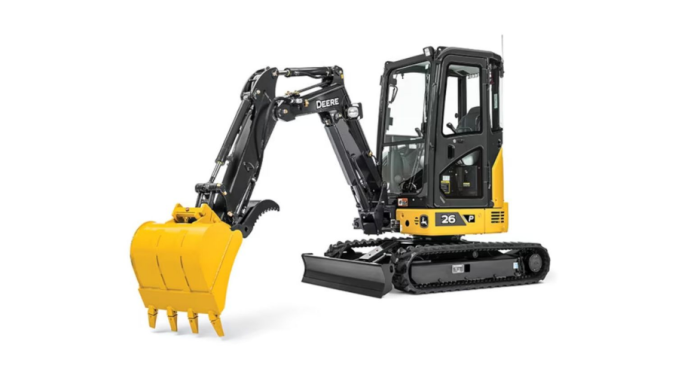
Urban job sites are often confined by existing buildings, traffic lanes, sidewalks, and underground utilities. Traditional large excavators may struggle to maneuver in alleyways or between structures. Compact excavators, typically ranging from 1 to 6 metric tons, are engineered to operate effectively in narrow corridors and restricted footprints. Many models feature reduced tail swing or zero tail swing designs, allowing operators to rotate the upper structure without extending beyond the tracks.
This design reduces the risk of striking adjacent structures or passing vehicles. It also increases confidence when working close to foundations, retaining walls, and utility lines. Contractors who invest in modern compact excavation equipment often prioritize tail swing configuration as a key decision factor in urban applications.
Utility Congestion and Precision Digging
City environments are dense with underground infrastructure including water lines, gas mains, electrical conduits, and communication cables. Damaging these systems can lead to costly delays and safety hazards. Compact excavators are known for their smooth hydraulic response and precise joystick control, enabling operators to trench and expose utilities carefully.
Fine metering of hydraulic flow allows for controlled bucket movements, especially when paired with narrow trenching buckets. This level of precision reduces rework and lowers the likelihood of accidental strikes. The ability to feather controls and operate at lower engine speeds further enhances accuracy in delicate excavation tasks.
Machine Features That Improve Efficiency
Advanced Hydraulic Systems
Hydraulic performance plays a critical role in productivity. Many modern compact excavators incorporate load sensing hydraulic systems that automatically adjust flow and pressure based on demand. This improves responsiveness and reduces wasted energy.
By delivering power only when required, these systems enhance fuel efficiency while maintaining consistent breakout force and lifting capability. In stop and start urban operations where machines frequently idle between tasks, optimized hydraulics can contribute to measurable fuel savings over the course of a project.
Fuel Efficiency and Emissions Compliance
Urban job sites often operate under strict emissions regulations. Compact excavators are typically powered by diesel engines that meet current emissions standards through technologies such as exhaust gas recirculation and diesel particulate filters.
Smaller engines combined with lighter operating weights translate into lower overall fuel consumption compared to larger earthmoving equipment. For contractors working extended shifts in city centers, reduced fuel usage lowers operating costs and supports sustainability goals that are increasingly required in public sector contracts.
Operator Comfort and Visibility
Efficiency is closely tied to operator performance. Compact excavators now feature enclosed cabs with ergonomic seating, intuitive control layouts, and improved climate control. Reduced vibration and noise levels help minimize fatigue during long workdays.
Visibility is particularly important in urban settings where pedestrians and traffic may be nearby. Large glass panels, narrow cab pillars, and available rear view cameras improve situational awareness. Enhanced sightlines allow operators to work confidently in congested areas without sacrificing productivity.
Attachment Versatility in Urban Applications
Expanding Capabilities Through Attachments
One of the primary reasons compact excavators excel in city environments is their compatibility with a wide range of attachments. Hydraulic thumbs, breakers, augers, and compactors allow a single machine to perform multiple functions on a tight site.
Quick coupler systems make it possible to switch between attachments rapidly, reducing downtime. This versatility is especially valuable when space constraints limit the number of machines that can be mobilized to a project. Contractors exploring compact excavator attachments for urban construction often focus on multipurpose tools that minimize the need for additional equipment.
Minimizing Equipment Footprint
Transporting multiple large machines into a dense city center can be costly and logistically complex. Compact excavators can often be hauled on smaller trailers and require less staging space. Their lighter ground pressure also reduces the risk of damaging sidewalks, paved surfaces, or landscaped areas.
By consolidating tasks into one adaptable machine, contractors reduce congestion on site and streamline workflow. This consolidation directly improves efficiency by limiting idle equipment and simplifying coordination among crews.
Safety Considerations in Urban Environments
Stability and Lifting Performance
Urban construction frequently involves lifting pipe sections, vaults, and other materials within confined areas. Compact excavators are engineered with stable undercarriages and optimized counterweights to enhance balance.
Proper machine selection based on lift capacity charts is critical. When matched appropriately to the task, compact excavators provide sufficient lifting power without the excessive footprint of larger machines. This balance contributes to safer material handling in constrained work zones.
Noise Reduction and Community Impact
Noise restrictions are common in residential and commercial districts. Compact excavators typically generate less overall sound compared to full size machines. Lower engine horsepower and improved muffler designs help reduce community disturbance.
Electric and hybrid compact excavators are also entering the market, offering near silent operation and zero onsite emissions. While adoption varies by region, these technologies demonstrate the industry’s response to increasing urban environmental standards.
Workflow Optimization on City Job Sites
Coordinating Crews and Equipment
Efficiency in urban construction is not determined solely by machine performance. It also depends on how equipment integrates into the broader workflow. Compact excavators enable closer coordination between excavation crews, utility installers, and concrete teams due to their maneuverability and ability to reposition quickly.
Faster repositioning reduces non productive travel time. When a machine can move easily between trench lines or foundation sections without complex setup, project timelines improve.
Reducing Downtime Through Preventive Maintenance
Urban projects often operate on tight schedules with limited room for error. Modern compact excavators include onboard diagnostics and easily accessible service points. Streamlined maintenance procedures help contractors complete daily inspections efficiently.
Regular maintenance supports uptime and prevents unexpected breakdowns that can disrupt traffic management plans or utility schedules. High equipment availability directly contributes to maximizing efficiency in demanding city environments.
Long Term Value for Contractors
Compact excavators have proven to be versatile assets across landscaping, utility installation, foundation work, and demolition. Their adaptability allows contractors to deploy the same machine across multiple job types throughout the year.
Lower purchase costs compared to larger excavators, combined with reduced fuel consumption and transport expenses, improve return on investment. For companies focused on urban markets, selecting the right compact excavator configuration can influence profitability across an entire fleet.
Urban job sites demand equipment that balances power, precision, and practicality. Compact excavators meet these demands through reduced tail swing designs, advanced hydraulics, attachment versatility, and improved operator environments. By minimizing footprint while maximizing capability, they enable contractors to complete complex projects in crowded environments with greater control and efficiency.
As cities continue to expand and infrastructure upgrades intensify, the strategic use of compact excavation equipment will remain central to successful project delivery.