






Contractors working in remote locations or confined job sites face a different set of equipment challenges than those operating on open commercial pours. Access limitations, transport constraints, variable mix designs, and limited on-site support all influence equipment performance and project timelines. In these conditions, selecting the right line pump becomes a strategic decision rather than a routine purchase. Understanding how line pumps function, where they outperform other concrete placing methods, and which specifications matter most can help contractors reduce downtime, control labor costs, and maintain consistent placement quality.
Understanding Line Pumps in Modern Contracting
What a Line Pump is Designed to Do
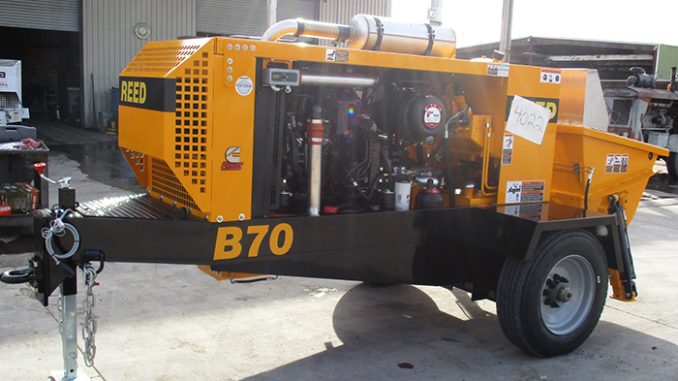
A line pump is a concrete pumping system that moves material through steel or rubber hoses using hydraulic pressure. Unlike boom pumps, which rely on articulated arms to place concrete from above, line pumps deliver material horizontally or vertically through connected pipeline. This design makes them particularly effective in areas where overhead clearance is limited or where access roads cannot support large truck-mounted equipment.
Line pumps are commonly used for residential foundations, sidewalks, slabs, shotcrete applications, and repair work. Their compact footprint allows them to operate in backyards, alleys, tunnels, and interior spaces where maneuverability is critical. Because the pump itself can remain at a distance from the pour location, contractors can work around obstacles without repositioning heavy machinery.
Why Line Pumps Excel in Remote Locations
Remote jobsites often lack the infrastructure needed to support large equipment fleets. Narrow access roads, soft ground conditions, and limited staging areas make it difficult to deploy boom pumps or conveyor systems. Line pumps address these challenges by offering smaller transport dimensions and lower axle weights, allowing them to reach locations that would otherwise require manual placement.
In many cases, a single trailer-mounted line pump can be towed behind a standard pickup or medium-duty truck. This reduces mobilization costs and simplifies logistics when working far from urban centers. Contractors searching for dependable concrete line pumps often prioritize this transport flexibility when bidding on rural or off-grid projects.
Evaluating Access Constraints on Tight Job Sites
Navigating Limited Space and Clearance
Tight-access jobsites are defined less by geography and more by physical restrictions. Urban infill projects, renovations, and interior placements often involve narrow gates, low ceilings, or existing structures that limit equipment movement. Line pumps offer an advantage in these environments because hose routing can be adapted to the site layout rather than forcing the site to accommodate the machine.
Smaller hopper heights and compact chassis designs allow operators to position the pump close to walls or inside parking structures. From there, hoses can be run through doorways, stairwells, or around corners without compromising flow consistency. This adaptability reduces the need for manual wheelbarrowing, which improves safety and placement speed.
Minimizing Disruption to Surroundings
In residential or commercial areas with strict noise and access regulations, minimizing disruption is often as important as completing the pour itself. Line pumps typically operate at lower engine speeds than larger pumping systems, which can result in reduced noise levels. Their smaller footprint also limits interference with traffic, landscaping, and adjacent structures.
For contractors specializing in renovation or repair work, these factors directly impact client satisfaction and project approval timelines. Choosing a pump that balances output capacity with site sensitivity helps maintain productivity without drawing unwanted attention or complaints.
Key Performance Factors When Choosing a Line Pump
Output Capacity and Pressure Requirements
One of the most critical considerations when selecting a line pump is matching its output capacity to the project’s demands. Output is usually measured in cubic yards or cubic meters per hour, while pressure ratings indicate how far and how high the pump can move concrete. Remote and tight-access jobs often involve longer hose runs or elevation changes, which place higher demands on pump pressure.
Contractors should evaluate the maximum horizontal and vertical distances required on typical jobs and ensure the pump can maintain consistent flow under those conditions. Oversizing the pump can lead to unnecessary fuel consumption, while undersizing increases the risk of blockages and delays.
Compatibility With Mix Designs
Not all concrete mixes behave the same way when pumped. Aggregate size, slump, and admixtures all influence flow characteristics. Line pumps used for remote jobs frequently handle a wide range of mixes, from standard structural concrete to grout and shotcrete.
Selecting a pump with proven compatibility across these mixes reduces the need for on-site adjustments or mix redesigns. Features such as smooth transition elbows, durable wear components, and consistent hydraulic output contribute to reliable performance across varying material properties.

Durability and Maintenance in Remote Operations
Importance of Heavy-Duty Construction
Remote jobsites often lack immediate access to repair facilities or replacement parts. Equipment durability becomes a primary concern, as even minor failures can halt operations for extended periods. Line pumps built with reinforced frames, robust hydraulic systems, and high-quality wear parts are better suited for these environments.
Heavier construction is not simply about longevity. It also affects stability during pumping, especially when working on uneven ground. A stable pump reduces vibration and wear, contributing to more consistent output and lower long-term maintenance costs.
Simplifying Field Maintenance
Ease of maintenance is another critical factor for contractors operating far from service centers. Pumps designed with accessible service points, common hydraulic fittings, and straightforward control systems allow crews to perform routine checks and minor repairs on site.
In many remote applications, the ability to quickly swap wear components or address hose issues without specialized tools can make the difference between meeting a pour schedule and losing a full day of work. Contractors evaluating a trailer-mounted line pump should consider how service-friendly the design is under real-world conditions.
Matching Line Pump Size to Crew and Workflow
Labor Efficiency and Crew Size
Line pumps can significantly reduce labor requirements compared to manual placement methods. However, the size and complexity of the pump should align with the crew’s experience and project scale. Smaller crews benefit from pumps that are easy to set up, operate, and clean without extensive training.
For tight-access jobs, a pump that can be deployed quickly and repositioned with minimal effort supports efficient workflows. This is particularly important on short-duration pours or projects with frequent mobilization between sites.
Integration With Other Equipment
Line pumps rarely operate in isolation. They must integrate smoothly with mixers, placing hoses, and finishing tools. Contractors should consider how the pump fits into their existing equipment lineup and whether it complements typical jobsite workflows.
Proper integration reduces bottlenecks and ensures that material delivery keeps pace with placement and finishing. This balance is especially important on remote jobs where delays can compound due to limited resources and long travel distances.
Long-Term Value and Application Versatility
Expanding Project Capabilities
Investing in the right line pump can expand the range of projects a contractor can pursue. Remote infrastructure repairs, hillside foundations, interior slabs, and specialty applications become more feasible with equipment designed for access flexibility.
Over time, this versatility can improve equipment utilization rates and return on investment. Contractors who select pumps capable of handling diverse applications are better positioned to adapt to changing market demands.
Balancing Cost and Performance
While initial purchase price is an important consideration, long-term operating costs often have a greater impact on profitability. Fuel efficiency, wear part longevity, and maintenance requirements all influence total cost of ownership.
Choosing a line pump that delivers reliable performance in challenging environments reduces unexpected expenses and supports consistent project execution. For contractors regularly working in remote or confined locations, this reliability can be a decisive competitive advantage.
Selecting the right line pump for remote and tight-access contracting jobs requires careful evaluation of site conditions, performance requirements, and long-term operational needs. By focusing on access adaptability, durable construction, and workflow compatibility, contractors can equip themselves to handle challenging pours with confidence and efficiency.
Why are line pumps ideal for remote or tight-access job sites?
They can pump concrete through hoses in confined spaces where boom pumps cannot reach, reducing labor and equipment repositioning.
What should contractors consider when choosing a line pump?
Pump capacity, pressure, mix compatibility, durability, and ease of on-site maintenance are key for reliable performance.
