



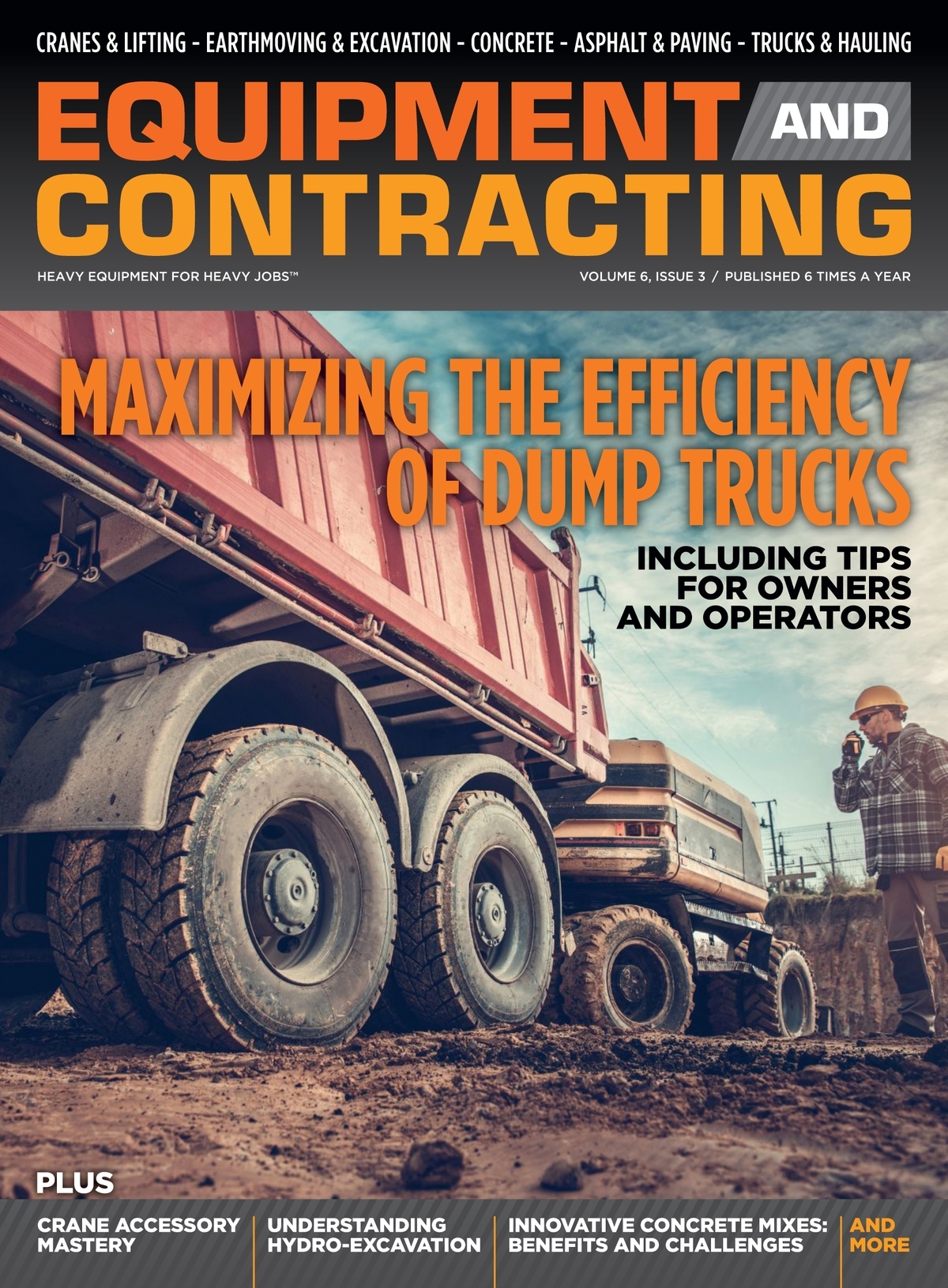









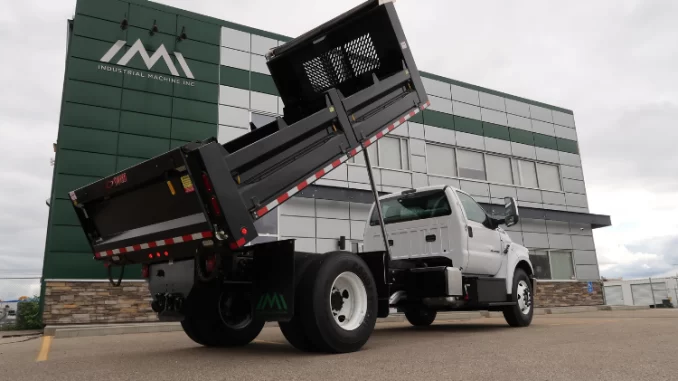
Selecting the right dump body is a critical decision for contractors and municipalities that handle asphalt, aggregates, and snow. Body material, capacity, hoist configuration, and corrosion resistance all influence productivity, safety, and long term operating costs.
Understanding Application Demands
Asphalt Hauling Requirements
Asphalt transport requires maintaining material temperature and minimizing sticking inside the body. Steel dump bodies are commonly used for asphalt work because of their durability and resistance to heat compared to lighter materials.
Body shape also plays a role in efficient unloading. Smooth interior walls and properly angled floors help hot mix asphalt discharge cleanly, reducing carryback and jobsite delays. Contractors evaluating heavy duty dump bodies should consider structural integrity and liner options that improve material flow and extend service life.
Aggregate Transport Considerations
Aggregates such as gravel, sand, and crushed stone create significant abrasion inside the dump body. High strength steel bodies are widely used in aggregate hauling due to their resistance to wear and impact.
Payload capacity is equally important. Contractors must balance cubic yard volume with legal axle weight limits, since overloading can result in fines, increased tire wear, and accelerated suspension damage. Body design must align with the truck chassis rating and intended material density.
Material Selection and Structural Design
Steel vs Aluminum Bodies
Steel and aluminum are the two most common dump body materials. Steel offers higher tensile strength and better impact resistance, making it suitable for abrasive materials and demanding construction environments.
Aluminum bodies are lighter, which can increase allowable payload under certain gross vehicle weight limits. However, aluminum may be less resistant to abrasion in heavy aggregate use. Choosing between the two requires evaluating operating conditions, haul distances, and the density of materials being transported.
Floor Thickness and Reinforcement
The floor of a dump body absorbs the majority of impact and abrasion during loading and unloading. Thicker floors and reinforced cross members are often specified for aggregate and demolition debris work.
Contractors should also assess sidewall height and structural bracing. Higher sides increase capacity for lighter materials like snow, but they can also influence center of gravity and stability during transport and dumping.
Hoist Systems and Dump Angles
Underbody and Front Mount Hoists
Hoist configuration affects lifting performance and maintenance requirements. Underbody hoists are commonly used in lighter applications and offer a lower overall profile, which can improve stability.
Front mount telescopic hoists are often selected for heavier loads and higher lift capacity. These systems can provide greater dump angles, improving material flow when handling sticky asphalt or wet aggregates. Proper maintenance of hydraulic components is essential to prevent failure under load.
Stability During Dumping
Tipping incidents are a known risk during dump operations, especially on uneven ground. Center of gravity shifts significantly when the body is raised, which makes load distribution and site conditions critical.
Operators should avoid dumping on slopes and ensure the load is evenly distributed before raising the body. Suspension condition, tire inflation, and proper hoist operation all contribute to safe performance.
Corrosion and Seasonal Exposure
Winter Salt and Deicing Chemicals
In regions that use road salt and liquid deicers, corrosion is a major concern for dump bodies. Salt exposure accelerates rust formation on steel components and can damage electrical systems and hydraulic lines.
Protective coatings, proper drainage design, and regular washing are widely recommended strategies to reduce corrosion. Contractors evaluating corrosion resistant truck bodies should prioritize coating systems and structural details that minimize trapped moisture.
Snow Operations and High Side Configurations
Snow removal introduces different design priorities compared to asphalt and aggregates. Snow is lighter but bulkier, which often requires higher sidewalls to maximize capacity.
Many municipalities operate combination bodies that support plow mounts and spreader systems during winter months. Investing in municipal dump truck body equipment that supports seasonal attachments can improve annual utilization and return on investment.
Payload, Regulations, and Fleet Efficiency
Axle Ratings and Legal Limits
Every dump body must match the truck’s axle ratings and gross vehicle weight rating. Federal and provincial regulations govern maximum allowable weights, and exceeding these limits can lead to penalties and liability exposure.
Contractors should calculate material density in pounds per cubic yard and align body volume accordingly. Matching body size to typical haul routes and legal weight limits protects both equipment and operating margins.
Fuel Efficiency and Lifecycle Costs
Body weight directly influences fuel consumption. Lighter configurations may reduce fuel use over long haul distances, while heavier duty bodies may last longer in severe service.
Lifecycle cost analysis should consider acquisition cost, maintenance intervals, corrosion exposure, and resale value. A properly specified dump body can extend chassis life and reduce unscheduled downtime.
Integration With Attachments and Seasonal Equipment
Plows, Spreaders, and Hydraulics
For fleets operating in cold climates, hydraulic integration is essential. Dump bodies often share hydraulic systems with plows, sanders, and spreaders, which requires careful specification to ensure compatibility and capacity.
Electrical integration for lighting, safety systems, and auxiliary controls must also meet local transport regulations. Planning for multi season functionality improves fleet versatility.
Upfitting and Customization
Upfitting allows contractors to tailor body configuration to specific work demands. Options may include tarping systems, liners, side extensions, tool storage, and safety lighting packages.
Working with experienced suppliers of custom work truck upfitting systems ensures that structural integrity and compliance standards are maintained. Customization should never compromise weight distribution or chassis limitations.
Making the Final Selection
Choosing the right dump body for asphalt, aggregates, and snow operations requires evaluating material type, abrasion resistance, payload capacity, hoist design, corrosion protection, and seasonal integration. Each application presents unique stress factors that influence long term performance.
Contractors and municipalities that invest time in specification and lifecycle planning can reduce downtime, improve safety, and protect profit margins. By aligning body configuration with actual operational demands, fleets can achieve consistent productivity across construction and winter maintenance seasons.