












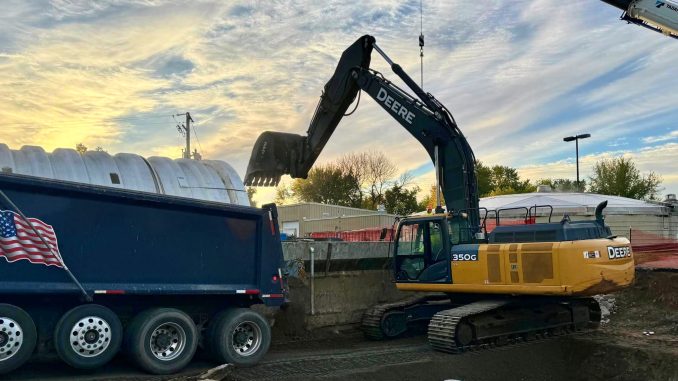
Earthmoving attachments play a critical role on construction sites, expanding the capabilities of machines for tasks such as digging, grading, material handling, and land clearing. These tools are often subjected to intense mechanical stress, abrasive environments, fluctuating loads, and prolonged operation cycles. Despite their importance, attachment maintenance is sometimes overlooked in favor of engine and chassis service. The result can be premature wear, costly downtime, and reduced jobsite productivity. Structured inspection routines, disciplined lubrication practices, careful handling, and proper storage help maximize attachment life and ensure operational reliability throughout demanding earthmoving projects.
Daily Inspection Protocols to Catch Issues Early
Visual Structural Checks Before Operation
Before any earthmoving work begins, a dedicated visual inspection should be performed on the attachment. This includes examining weld seams, mounting ears, reinforcement plates, cutting edges, and exposed structural components for signs of cracking, deformation, or unusual wear. High use attachments experience constant stress, and even minor fractures can spread quickly under load.
Early detection allows crews to schedule repairs before structural damage escalates. Operators should also confirm that all fasteners and retaining hardware are secure so the attachment remains properly connected during operation.
Hydraulic Hose and Connection Monitoring
Hydraulic powered attachments rely on high pressure fluid to operate efficiently. Hoses flex continuously and are exposed to debris, abrasion, and pressure cycles that weaken them over time. Daily inspection should focus on spotting surface cracks, worn hose jackets, loose fittings, and fluid leaks.
Maintaining clean coupler connections is equally important. Contamination entering hydraulic lines can damage internal attachment components and compromise system reliability.

Lubrication Practices That Reduce Wear
Regular Greasing of Moving Parts
Pivot points are the highest wear zones on attachments. Dirt and grit pack into joints during digging and handling cycles, increasing friction between metal surfaces. Greasing fittings daily flushes contaminants and maintains smooth movement.
Proper lubrication significantly slows wear on pins and bushings, preserving attachment performance and reducing repair frequency.
Selecting The Right Lubricant
Heavy equipment attachments operate under high load and temperature. Extreme pressure grease is designed to withstand these conditions and resist breakdown. Using lower grade lubricants results in faster wear and insufficient protection.
Following recommended lubrication specifications ensures long term durability and reliable performance.
Managing Wear Parts Before They Fail
Monitoring and Replacing Cutting Edges
Cutting edges and bucket teeth are sacrificial components that protect the main attachment structure. As these parts wear down, digging resistance increases and productivity declines. Regular inspection and timely replacement help maintain efficiency and reduce strain on machine hydraulics.
Contractors commonly service wear components linked to rugged excavation and grading attachments used across demanding earthmoving projects.
Recognizing Uneven Wear Patterns
Uneven tooth wear often indicates improper operating angles or misalignment. Left uncorrected, this can weaken bucket lips and adapter mounts. Addressing these signs early prevents deeper structural damage.
Storage and Post Use Care to Minimize Damage
Cleaning Attachments After Use
Attachments accumulate soil, debris, and moisture during operation. Packed material traps water against steel surfaces and accelerates corrosion. Cleaning attachments daily exposes hidden wear areas and prevents long term deterioration.
Regular washing is especially important after use in abrasive or contaminated environments.
Proper Storage Practices
Attachments stored directly on the ground remain exposed to moisture and dirt. Elevating them on blocks or racks keeps them dry and protected. Hydraulic couplers should always be capped to prevent contamination while tools are idle.
Proper storage preserves structural integrity and reduces maintenance needs.

Operator Behavior and its Impact on Attachment Longevity
Avoiding Improper Loads and Maneuvers
Using attachments outside their intended purpose introduces excessive stress. Side loading buckets or using grapples to pry materials can bend frames and crack welds. Operator discipline plays a major role in preventing unnecessary damage.
Training crews on correct attachment usage reduces repair frequency and extends tool life.
Matching Attachment to Machine Capacity
Attachments must be properly matched to the carrier machine’s hydraulic and structural capacity. Oversized tools overload linkages and reduce efficiency. Ensuring compatibility keeps equipment operating safely and reliably.
Establishing A Routine Maintenance Schedule
Daily and Periodic Checklists
Daily inspections identify visible issues, but periodic maintenance addresses deeper wear and component degradation. Weekly and monthly checklists help crews monitor attachment condition, lubrication, and hardware integrity.
Structured maintenance scheduling prevents unexpected failures and supports consistent performance.
Record Keeping and Communication
Maintenance logs allow teams to track usage hours and identify recurring issues. Clear reporting between operators and service crews ensures repairs are handled before they impact jobsite productivity.
Final Thoughts on Attachment Care for Earthmoving Projects
Attachments are essential production tools that influence efficiency, safety, and machine longevity. Consistent inspection, lubrication, cleaning, and proper storage are critical for maintaining high use tools in demanding environments. Contractors who rely on durable earthmoving attachments still benefit from disciplined maintenance routines that protect their investment and keep projects moving without interruption.
How often should earthmoving attachments be inspected and lubricated?
Earthmoving attachments should be visually inspected and greased daily to catch early damage and reduce wear on pins, bushings, and hydraulic components.
What causes premature wear on earthmoving attachments?
Premature wear is commonly caused by poor lubrication, contaminated hydraulics, improper operation, and delayed replacement of cutting edges or teeth.


