









Land-clearing profitability depends on how efficiently material moves off a site, not just on machine size or horsepower. Contractors working in vegetation removal, site preparation, and property development often discover that attachment choice has a direct impact on cycle times, disposal costs, and overall job margins. Root grapples and rock grapples are frequently treated as interchangeable tools, yet their design differences influence how quickly work progresses and how much revenue a crew can generate on a typical clearing project.
Choosing between these two grapple types is less about preference and more about understanding material composition, job sequencing, and how land-clearing contracts are priced. When the attachment matches site conditions, machines stay productive and downtime stays low. When it does not, inefficiencies compound across every working hour.
Why Grapple Selection Affects Clearing Profitability
Most land-clearing projects are priced by the acre, by the hour, or through a fixed bid that assumes predictable production rates. In all cases, profitability depends on consistent cycle efficiency. Every time an operator has to reposition a machine, re-grab material, or shake soil loose, time is lost without additional revenue.
An attachment that handles dominant site material efficiently reduces unnecessary movements and minimizes rework. Over the course of a full day, small gains in cycle time translate into measurable cost savings in fuel, labor, and wear on equipment. Contractors who track productivity closely often find that the correct grapple choice plays a larger role in margins than machine brand or engine size.
Design Differences Between Root and Rock Grapples
Although both attachments serve material-handling roles, their structural designs reflect different operational priorities. Tine spacing, frame reinforcement, and attachment weight all influence how each grapple performs in real clearing conditions.
How Root Grapples are Designed to Operate
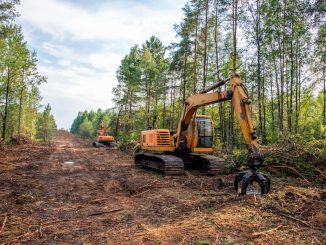
Root grapples are built with long, widely spaced tines that allow soil to pass through while retaining organic debris such as roots, brush, logs, and tree limbs. This design helps operators separate debris from soil during handling, which reduces the amount of material hauled away from the site. Less soil in each load means lower disposal costs and fewer truck trips on projects where debris is removed or burned.
Root grapples are commonly used after brush cutting or mulching operations, where large volumes of organic material need to be consolidated quickly. Contractors performing agricultural land clearing, forestry work, and right-of-way maintenance often rely on this type of attachment to maintain productivity without excessive ground disturbance. Many modern root grapple attachments for skid steers follow this design approach to support high-volume vegetation handling.
Structural Characteristics of Rock Grapples
Rock grapples are designed with tighter tine spacing and heavier structural components to retain dense materials. This construction allows them to handle rocks, compacted soil, demolition debris, and mixed materials that would fall through a root grapple. The added rigidity improves durability when working in abrasive conditions but also increases attachment weight.
Because rock grapples hold more material per grab, they are effective for cleanup work on rocky terrain or construction-adjacent sites. However, the reduced soil separation means that more dirt is often carried with each load. That factor can influence hauling efficiency and disposal costs, particularly on jobs where soil removal is limited or restricted.

Productivity Impacts on Active Jobsites
On vegetation-heavy sites, root grapples typically produce faster cycle times because operators spend less time clearing soil from each load. Material can be gathered, transported, and placed with fewer adjustments, which keeps machines moving consistently throughout the shift. This efficiency becomes especially valuable on large acreage clearing projects where repetition defines daily output.
Rock grapples perform better when site material includes a high percentage of stone or compacted debris. Using a root grapple in these conditions often results in material slipping through the tines, requiring multiple grabs to achieve the same result. Over time, those extra movements reduce effective production and increase operator fatigue.
Wear, Fuel Consumption, and Equipment Longevity
Long-term profitability is influenced by how attachments hold up under regular use. Root grapples experience less abrasive wear when used for organic material handling, but they are more susceptible to damage if forced into rocky or demolition-related work. Bent tines and stressed hydraulic components are common signs of misapplication.
Rock grapples are better suited for harsh environments, but their added weight increases fuel consumption and places more load on loader arms and hydraulics. On smaller machines, this weight can reduce usable lift capacity, limiting the volume of material moved per cycle. Selecting a grapple that aligns with both material type and machine size helps control operating costs over time.
When Root Grapples Deliver Higher Returns
Root grapples generate the most value on jobs dominated by vegetation, roots, and loose organic debris. These projects often involve clearing overgrown land, preparing agricultural fields, or removing storm-damaged trees. The ability to shed soil during handling reduces hauling volume and helps contractors control disposal expenses.
They also integrate well into phased clearing operations where cutting, mulching, and cleanup occur sequentially. By minimizing soil disturbance, root grapples support site preparation work that requires stable ground conditions for follow-on construction or grading activities.
Situations Where Rock Grapples are More Profitable
Rock grapples excel on sites with surface rock, compacted soils, or mixed debris that includes concrete or masonry. Their ability to retain smaller fragments reduces cleanup time and improves consistency when loading trucks or stockpiling material. This advantage is particularly important on projects where cleanup quality affects inspection approvals or downstream work.
Contractors working across multiple job types sometimes favor rock grapples for their durability and versatility. While they may sacrifice some efficiency on vegetation-only sites, they reduce the need for attachment changes when moving between clearing, grading, and cleanup tasks. Many grapple solutions designed for skid steer loaders are built with this multi-use approach in mind.
Matching Grapple Type to Machine Size
Carrier size plays a critical role in attachment performance. A grapple that performs well on a compact track loader may behave very differently on a high-capacity skid steer or compact wheel loader. Heavier attachments reduce lift capacity and can affect machine balance, particularly when handling uneven loads.
Manufacturers typically publish operating ranges and recommended machine classes for each attachment type. Staying within those limits protects both the carrier and the attachment while maintaining safe operating conditions. Proper matching ensures that productivity gains from the correct grapple choice are not offset by stability or hydraulic issues.

Rental Demand and Resale Considerations
Attachments that serve common applications tend to maintain stronger resale value. Root grapples are frequently rented for seasonal land clearing and storm response work, which supports steady demand in rental fleets. Rock grapples also retain value due to their durability and continued usefulness in construction cleanup environments.
For contractors who rotate equipment or sell attachments after several years, resale value can offset initial purchase costs. Considering long-term ownership costs alongside daily productivity helps determine which grapple offers the best financial return.
Making the Right Choice for Land-Clearing Work
The grapple that makes money is the one that aligns with the majority of a contractor’s work. Root grapples support faster production and lower disposal costs on vegetation-heavy sites, while rock grapples protect margins through durability and material retention in abrasive conditions.
Contractors who evaluate cycle time, hauling expenses, and maintenance trends often see quicker payback when attachment selection is based on job data rather than habit. Over time, choosing the correct grapple improves scheduling reliability, reduces downtime, and supports consistent profitability across clearing projects.