









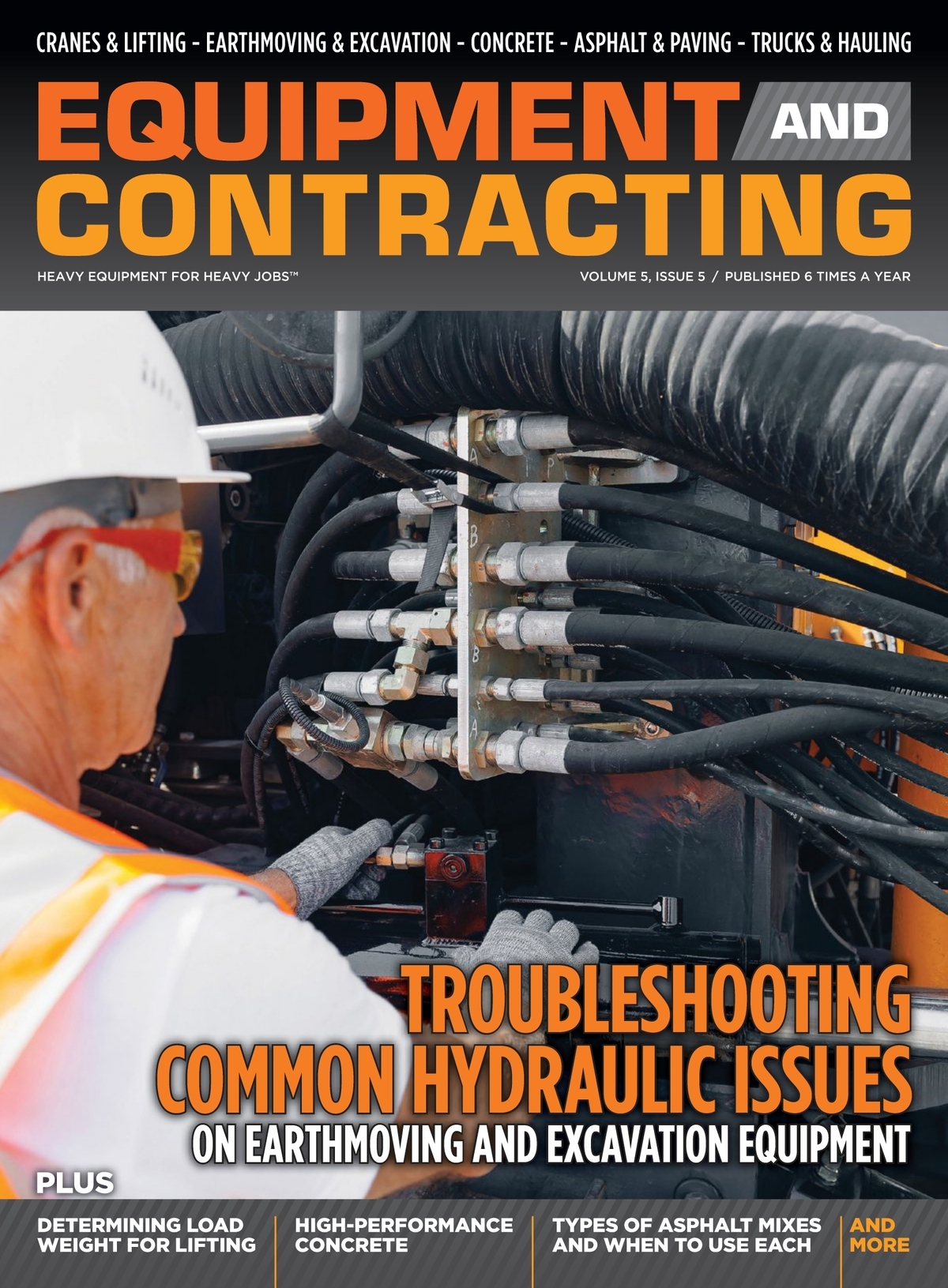


















Jobsite productivity hinges on the reliable performance of equipment components that most people rarely think about until they fail. One such component is the hydraulic hose, a flexible conduit that carries pressurized fluid to actuators, pumps, motors and other equipment parts. When hydraulic hoses fail, even a single break or leak can grind heavy machinery to a halt, cause costly fluid spills and create safety hazards for workers. Beyond the immediate disruption, these failures often trigger a cascade of delays as crews wait for replacements, repairs and inspections before work can resume. Understanding the common hydraulic hose failures and how to prevent them is crucial for maintenance teams focused on minimizing downtime and sustaining efficient operations. Early recognition of failure modes and proactive maintenance helps keep equipment running smoothly and avoids unnecessary jobsite downtime that eats into project schedules and budgets.
External Abrasion and Surface Wear
What Happens When Hoses Rub Against Surfaces
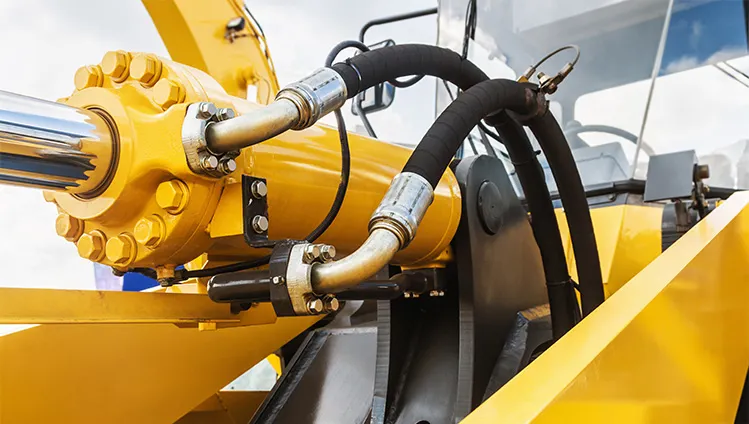
External abrasion is among the most frequently observed hydraulic hose failure modes across industrial and construction environments. Hydraulic hoses often sit in close proximity to metal frames, sharp edges, other hoses or moving parts. Constant rubbing wears away the protective outer cover of the hose, eventually exposing reinforcement layers that are vital to its strength and pressure rating. Once the reinforcement is compromised, fluid leaks, bursts and sudden hose breaks become significantly more likely. Prolonged abrasion not only weakens hose integrity but also increases the risk of complete system failure if left unaddressed.
How to Protect Hoses From Wear
Preventing abrasion related failures begins with thoughtful hose routing and protection. Hydraulic hoses should be arranged so they do not contact abrasive surfaces or other components that cause friction. Where contact is unavoidable, it is common practice to employ protective sleeves or guards designed specifically for abrasion resistance. These can help shield vulnerable hose areas and extend service life. Maintenance teams should inspect hoses regularly for signs of cover wear and replace any hose showing significant abrasion before it leads to a sudden failure.
Improper Bend Radius and Installation Issues
How Installation Mistakes Lead to Failure
Hydraulic hoses are engineered with a minimum bend radius that ensures they can flex without stressing internal reinforcement layers. Bending a hose beyond this radius creates tight curves that can collapse internal structures, restrict fluid flow and cause microfractures to develop over time. These stresses are not always obvious at first, but repeated flexing under load rapidly accelerates degradation.
Another common installation problem involves incorrect hose assembly, such as improper crimping of fittings, mismatched components or twists in the hose during installation. These seemingly small oversights significantly weaken the hose assembly at critical stress points, making the hose more prone to leaks or blowouts under pressure.
Ensuring Correct Routing and Assembly
To prevent failures associated with improper bend radii and installation, it’s essential to follow manufacturer specifications when laying out and installing hoses. This includes selecting hoses of the correct length so they can flex naturally without tight bends, and choosing fittings that are compatible with the hose type and fluid being conveyed. Special attention should be paid during assembly to avoid twisting the hose and to ensure fittings are crimped to the recommended specifications. Qualified technicians with proper tooling should perform installation and inspection tasks to reduce the risk of premature failure from installation errors.
Excessive Heat and Temperature Extremes
The Impact of Heat on Hydraulic Hose Materials
Hydraulic hoses are designed to operate within specific temperature ranges, and exceeding those limits is a well documented cause of failure. High operating temperatures can rapidly degrade rubber compounds and elastomers used in the hose’s inner tube and cover. As heat breaks down these materials, the hose may become brittle, crack, or experience internal breakdown of its structural layers. Heat exposure can originate from hot environmental conditions, proximity to engine exhaust components, or high fluid temperatures within the hydraulic system itself.
Hoses that are not rated for high heat environments may show signs of fatigue faster than expected. Conversely, extremely low temperatures can also make hoses stiff and susceptible to cracking under normal flexing conditions.
Reducing Heat Exposure on Jobsites
Preventive strategies for heat related hose failures include choosing hoses with temperature ratings suitable for the expected working conditions and fluid temperatures. In high heat areas, routing hoses away from direct heat sources and installing heat shields or insulating wraps are common industry practices. Keeping hydraulic systems properly cooled, including maintaining heat exchangers and fluid coolers, helps control internal temperatures and reduces stress on hose materials. Regular temperature monitoring of hydraulic systems can alert maintenance teams to conditions that might accelerate hose aging or failure.
Fluid Incompatibility and Internal Damage
Why Matching Fluids and Hose Materials Matters
Hydraulic hoses are constructed using specific inner tube materials that are compatible with certain types of hydraulic fluid. When a hose’s inner tube is exposed to fluid that is chemically incompatible, the material may begin to deteriorate. This can cause internal swelling, tube erosion and eventual rupture. Incompatible fluids degrade hose linings from the inside out, worsening over time until a failure occurs.
Internal damage is often less visible than external issues, making it a silent but serious threat to hose reliability. Fluid contaminants, such as water or particulates, can further accelerate internal wear and compromise system performance.
Preventive Maintenance and Fluid Selection
To prevent internal damage, it is vital that maintenance professionals verify fluid compatibility with hose materials as part of system design and fluid changes. Filtering hydraulic fluid to remove contaminants and regularly checking fluid quality helps protect hose internals. When fluid types are changed or systems are upgraded, hoses should be evaluated to confirm they are suitable for the new fluid conditions.
Routine inspection for signs of swelling or soft spots can also highlight early internal damage before a catastrophic failure leads to system shutdowns.
Aging, Wear and Time Related Degradation
Natural Aging of Hydraulic Hoses
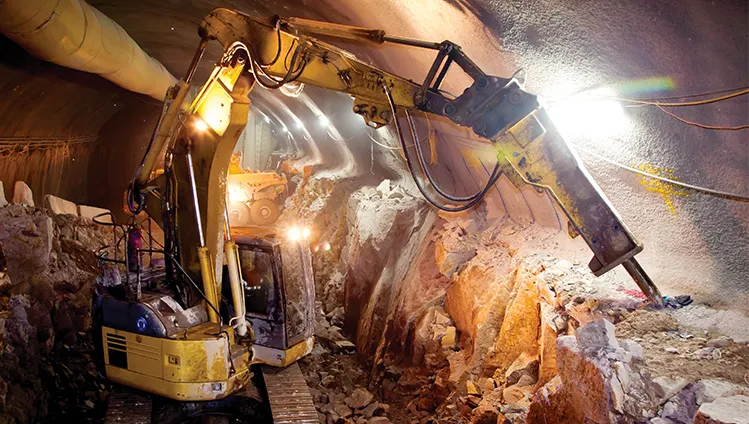
No hydraulic hose lasts forever, even when installed correctly and maintained well. Over time, the materials that make up a hose naturally degrade, especially when subjected to constant pressure cycles, exposure to environmental elements and fluctuating temperatures. Aging hoses may show various signs of wear such as cracking, hardening, softening or brittleness, all of which can precede full failure.
Wear and aging often occur slowly, giving maintenance teams the opportunity to identify issues during routine inspections. However, without a proactive replacement strategy based on hose age, service life and operating conditions, hoses can fail unexpectedly and halt operations.
Scheduled Replacement and Inspection Practices
To mitigate failures caused by age and wear, it is necessary to incorporate hydraulic hose inspection and replacement into preventive maintenance programs. Hoses should be inspected visually on a regular schedule, with attention to signs of aging or material degradation. Many organizations track hose installation dates and operating hours to determine when replacement should occur before failure risks rise significantly. Training maintenance staff to recognize early signs of aging and taking corrective action helps prevent failures that would otherwise bring expensive downtime and equipment damage.
Hydraulic Hose Failures and Productivity Loss
Hydraulic hose failures are among the silent culprits behind lost jobsite productivity. When a hose fails, whether from abrasion, improper installation, heat exposure, fluid incompatibility or age, the result is almost always the same: unexpected downtime, repair costs and disruption of scheduled work. Maintenance teams that understand these common failure modes and implement comprehensive prevention strategies significantly reduce the frequency of failures and improve overall equipment reliability. Predictable performance from hydraulic hoses contributes to smoother operations, fewer emergency repairs, and improved safety for workers and equipment alike.
Incorporating regular inspections, proper hose selection and installation practices is central to protecting your operations from costly failures. Ending with an emphasis on proactive maintenance underscores the importance of planning ahead in asset intensive environments such as construction or heavy industry.