














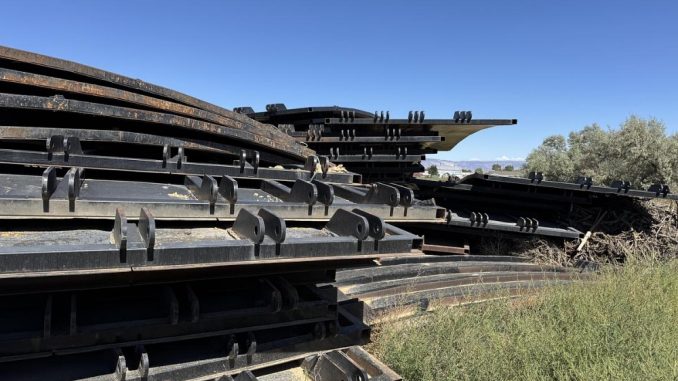
Surplus equipment is one of the most overlooked sources of trapped capital in the construction industry. Idle machines, excess inventory, and underutilized assets quietly drain maintenance budgets, storage space, and operational focus. When managed strategically, however, surplus equipment can be converted into immediate liquidity that supports new projects, stabilizes cash flow, and strengthens balance sheets. The challenge lies in liquidating these assets quickly without sacrificing value or disrupting ongoing operations, which is where proven best practices become essential.
Understanding Why Construction Assets Become Surplus
Market Cycles and Project Shifts
Construction markets are cyclical, and equipment needs fluctuate as projects start, pause, or conclude. Machinery purchased for a specific scope often becomes redundant when project types change or geographic demand shifts. Large fleets built during periods of expansion can quickly turn into surplus during market slowdowns, leaving contractors with equipment that no longer aligns with current workloads.
Fleet Modernization and Efficiency Goals
Advances in equipment technology, emissions standards, and automation push contractors to upgrade fleets more frequently. Older units that still function reliably may no longer meet efficiency or compliance targets. Rather than absorbing ongoing ownership costs, many companies choose to divest aging equipment to make room for newer, more productive assets.
Corporate Restructuring and Divestment
Mergers, acquisitions, and internal restructuring often result in overlapping equipment fleets. When divisions are consolidated or discontinued, entire groups of assets may no longer serve a strategic purpose. In these cases, liquidation is less about individual machines and more about transitioning whole portfolios efficiently.
Evaluating Assets Before Liquidation
Asset Condition and Maintenance History
A thorough evaluation is the foundation of a successful liquidation strategy. Equipment with documented maintenance records, recent servicing, and known operating history commands stronger buyer interest and faster transaction timelines. Transparent condition reporting builds trust and reduces negotiation friction.
Market Demand and Timing
Demand for construction equipment varies by region, season, and sector. Earthmoving equipment may move faster in infrastructure-heavy markets, while specialized units see higher demand in niche applications. Understanding current market conditions helps determine whether immediate liquidation or short-term holding will yield better outcomes.
Compliance and Title Readiness
Ensuring that assets are free of liens, properly titled, and compliant with applicable regulations prevents delays during the sale process. Buyers move faster when paperwork is clean and transfer requirements are clearly defined, making administrative readiness just as important as mechanical condition.
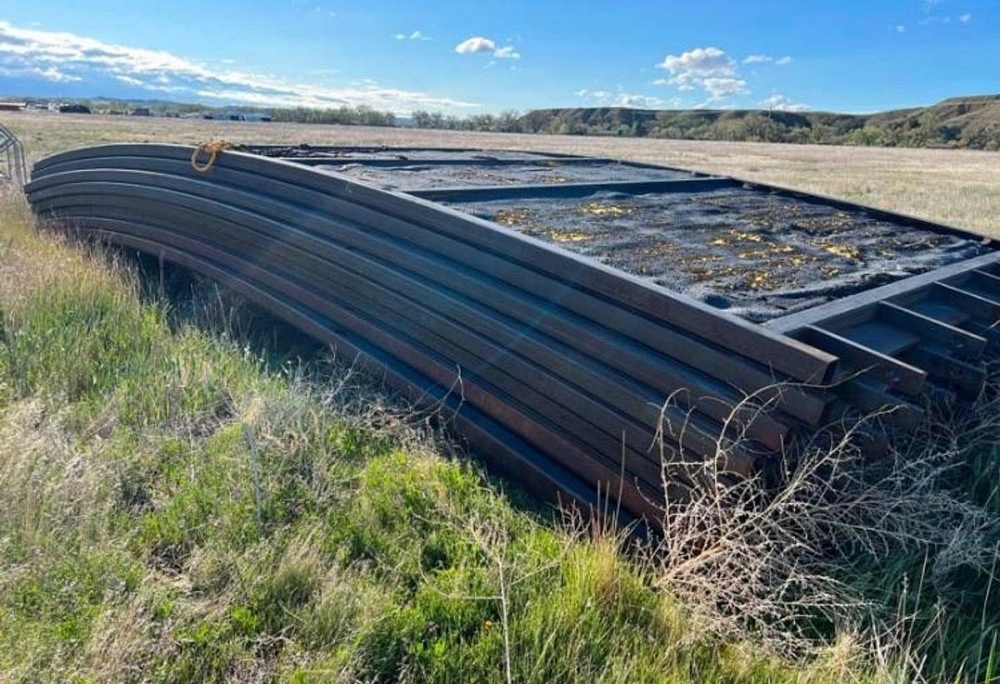
Choosing the Right Liquidation Approach
Individual Equipment Sales
Selling assets individually can maximize value when dealing with high-demand machines or specialized equipment. This approach allows pricing to reflect specific features, upgrades, and condition. However, individual sales often require more time, marketing effort, and internal coordination.
Portfolio-Based Liquidation
When speed is the priority, liquidating equipment as a grouped portfolio can significantly reduce transaction timelines. Portfolio sales appeal to buyers seeking bulk inventory for resale, rental fleets, or international markets. Working with experienced construction asset liquidation specialists can streamline this process by handling valuation, buyer outreach, and logistics through a single transaction.
Direct Sales Versus Auctions
Auctions offer visibility and competitive bidding but introduce uncertainty around final pricing and timing. Direct sales provide greater control and predictability, particularly when working with buyers who understand industrial equipment values. For companies prioritizing speed and certainty, direct liquidation channels often deliver more consistent results.
Preparing Equipment for Fast Transactions
Documentation and Data Organization
Complete documentation accelerates buyer decision-making. Service logs, inspection reports, operating manuals, and serial number records should be organized and readily accessible. Clear asset data reduces due diligence time and increases buyer confidence.
Strategic Refurbishment
Minor repairs, cleaning, and functional testing can significantly improve sale velocity. Addressing obvious issues such as leaks, worn hoses, or cosmetic damage often yields returns that outweigh refurbishment costs. The goal is not full reconditioning, but removing barriers that slow buyer approvals.
Standardized Asset Listings
Consistent presentation across listings improves clarity and professionalism. Standardized descriptions, condition ratings, and high-quality images help buyers compare assets quickly, which is critical when time is a factor.
Managing Logistics and Asset Transitions
Transportation and Storage Planning
Logistics can become a bottleneck if not addressed early. Identifying transport options, load requirements, and storage timelines ensures that assets can move as soon as deals close. Buyers are more likely to commit when logistics are clearly defined.
Coordinating Operational Continuity
Liquidation should not disrupt active projects. Phased asset releases allow companies to divest surplus equipment while maintaining operational readiness. Clear internal coordination between operations, finance, and asset management teams prevents costly missteps.
Risk Management During Transfers
Insurance coverage, liability transfer points, and site safety considerations must be clearly established. Well-defined transfer protocols protect both sellers and buyers throughout the transaction process.
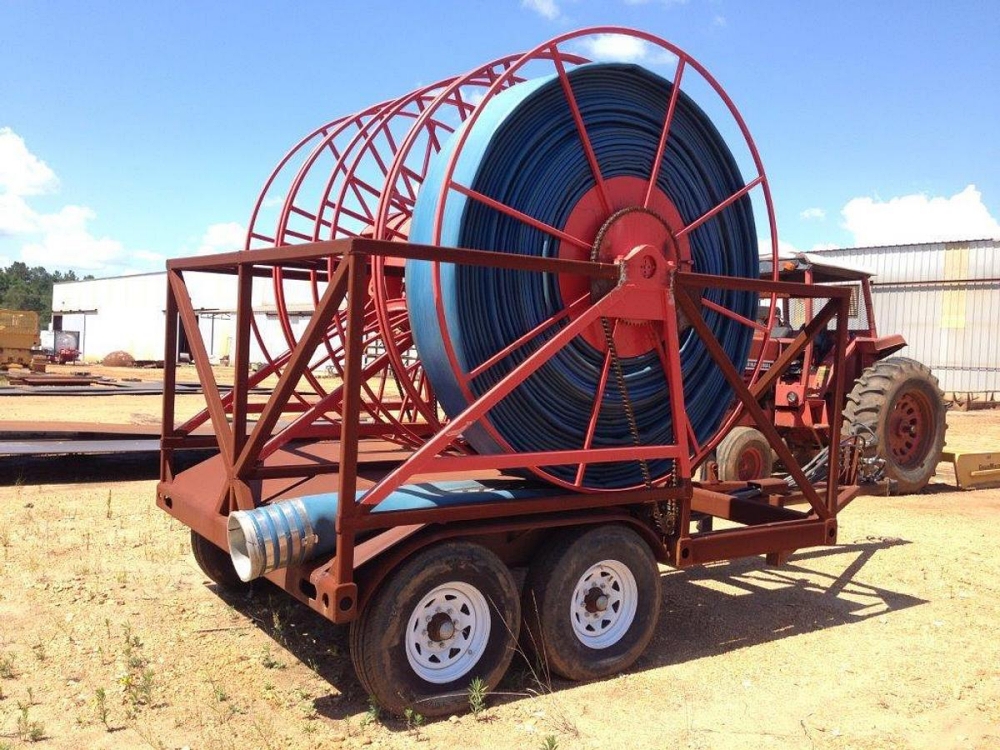
Leveraging External Expertise for Faster Results
Market Access and Buyer Networks
Specialized liquidation partners bring established buyer networks that individual contractors may not access independently. These networks often include domestic resellers, rental operators, and international buyers, expanding the pool of qualified prospects.
Valuation and Pricing Strategy
Accurate pricing balances speed and value. Overpricing slows transactions, while underpricing erodes returns. Experienced partners use real-time market data to set prices that attract serious buyers without unnecessary concessions.
End-to-End Transaction Management
From asset evaluation to final transfer, comprehensive industrial equipment divestment services reduce internal workload and administrative burden. Outsourcing complex transactions allows construction firms to focus on core operations while still achieving rapid liquidity.
Aligning Liquidation with Long-Term Strategy
Reinvesting Recovered Capital
Funds recovered through liquidation can be reinvested into newer equipment, workforce development, or project expansion. Treating asset sales as strategic capital events rather than reactive disposals strengthens long-term competitiveness.
Improving Fleet Utilization Metrics
Regular review of utilization data helps prevent future surplus accumulation. By aligning procurement decisions with actual usage patterns, companies reduce the likelihood of excess assets building up over time.
Building a Proactive Asset Management Culture
Proactive liquidation planning transforms surplus from a problem into an opportunity. Companies that routinely assess fleet relevance and market conditions maintain greater financial flexibility and operational efficiency.
Turning Surplus into a Competitive Advantage
Liquidating construction assets quickly requires more than urgency. It demands preparation, market awareness, and the right execution strategy. When surplus equipment is managed proactively and supported by experienced partners, it becomes a powerful source of working capital rather than a lingering liability. By adopting structured liquidation practices and aligning them with broader business goals, construction firms can turn idle assets into momentum for future growth.