


















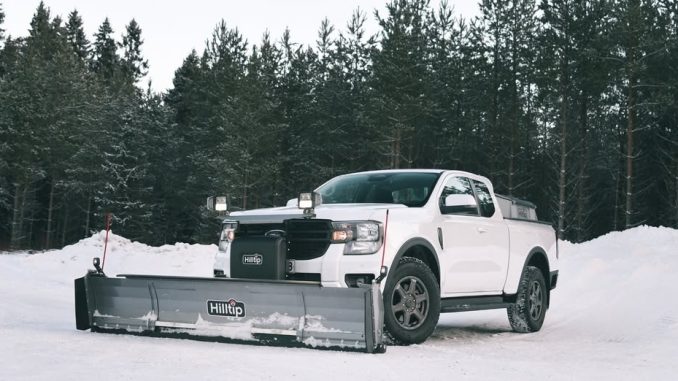
Light duty trucks and skid steers have become essential assets for winter maintenance companies because they offer maneuverability, fuel efficiency, and lower operating costs compared to heavier equipment. When fitted with purpose built plows, these vehicles can handle residential routes, commercial parking lots, and narrow access lanes with surprising efficiency. Demand for snow removal equipment has also increased as municipalities and contractors look for adaptable tools that reduce downtime and keep fleets working throughout the season. This creates a strong opportunity for contractors who want to turn existing trucks into dependable revenue generators while relying on high quality winter plow systems that stand up to harsh operating conditions.
Why Light Duty Trucks are Ideal for Snow Plowing
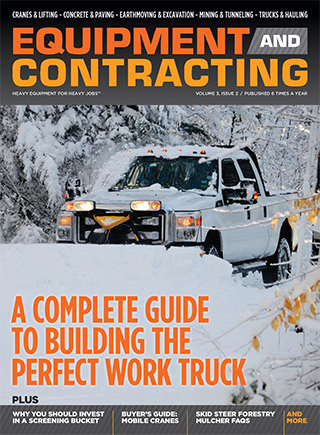
Light duty pickups have become popular in snow operations because they are easier to maneuver in tight suburban neighborhoods and small commercial properties. Their smaller turning radius and lighter weight help minimize surface damage on paved areas. Modern plow designs allow even half ton trucks to move significant volumes of snow as long as weight ratings match vehicle specifications. Because fuel consumption is lower compared to larger plow trucks, contractors can cover more ground at a lower hourly cost. For many snow businesses, this makes pickups the preferred tool for repeat service routes where speed and agility matter more than brute force.
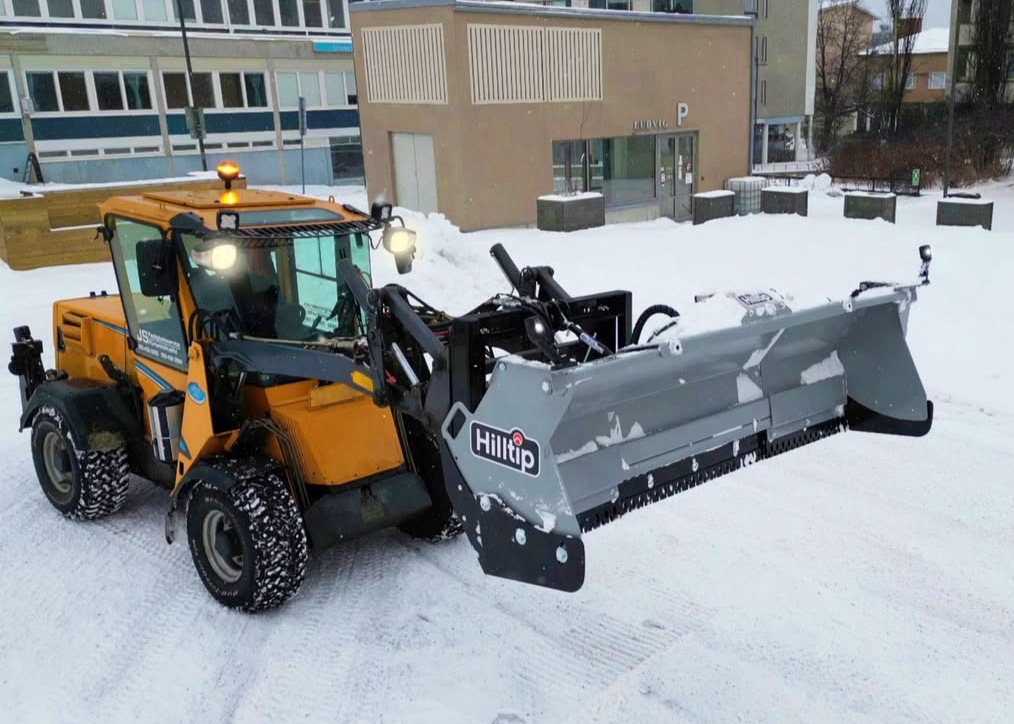
Skid Steers as High Value Winter Workhorses
Skid steers add another layer of versatility for winter operations. These compact machines can be equipped with straight blade plows, V plows, and box style pushers that clear snow efficiently in confined spaces. Their ability to pivot within their own footprint makes them ideal for parking lots, loading zones, storage yards, and industrial sites that require frequent clearing. Many contractors rely on skid steers for heavy overnight storms because these machines can continue working even when larger trucks struggle in deeper accumulations. When paired with properly rated plow attachments, the combination of pushing power and precise control helps operators reduce time spent on each job site.
Matching Plow Types to The Right Vehicle
Different plow designs offer different advantages, and proper selection is essential for protecting the vehicle and ensuring efficient work. Straight blade plows remain the most common option for both pickups and skid steers because they provide consistent performance in light and moderate snowfall. They are also cost effective and easier for new operators to learn. V plows are typically chosen for areas with variable conditions because they can switch from a tight V configuration for breaking through deep snow to a scoop mode for controlled pushing. Box plows, often used on skid steers, trap larger volumes of snow, allowing faster clearing of wide open areas such as distribution centers or commercial lots. Selecting the correct plow type helps contractors balance productivity and fuel efficiency while extending the life of their equipment.
Importance of Proper Sizing and Weight Ratings
Vehicle manufacturers list maximum front axle and overall payload ratings, and these numbers must match the plow’s weight and size. Oversized plows can strain the suspension, reduce steering control, and increase the risk of long term damage. Undersized plows reduce productivity and require more passes to finish a job. Many plow makers provide compatibility charts that match vehicle models with appropriate blade widths and weights. Half ton pickups usually support plows between about six and eight feet wide, while three quarter ton and heavier trucks can accommodate larger units. Skid steer compatibility depends on operating capacity and hydraulic requirements. Verifying these details before installation is a key step toward maintaining safe performance across the fleet.

Hydraulics, Controls, and Operator Convenience
Modern plow systems integrate hydraulic lift and angle functions that improve operator comfort and reduce physical strain. Wired or wireless cab controllers allow operators to make quick adjustments without leaving the vehicle. On skid steers, auxiliary hydraulics deliver the power needed for responsive angling and efficient movement of heavy snow loads. Cold climate hydraulic fluids are essential for preventing slow response during extreme weather. Simple features such as alignment guides and quick attach mounting plates help streamline hook up and removal, which benefits contractors who rotate attachments between multiple machines during peak weather events.
Durability and Corrosion Resistance in Winter Conditions
Snow plows are exposed to moisture, gravel, salt, and freezing cycles throughout the season, so durability has a direct impact on operating costs. Steel blades offer strength and predictable scraping performance. Poly blades reduce surface friction and resist denting from impact with frozen snow. Many high quality plows now include corrosion resistant coatings that protect the moldboard, frame, and hardware from long term salt damage. Paying attention to these materials helps contractors avoid premature wear and extend service life on both the plow and the vehicle it is mounted on.
Turning Pickups and Skid Steers into Profit Centers
Winter profitability depends on fast response, reliable equipment, and the ability to service multiple properties in a short time. Light duty pickups allow contractors to take on more residential and small commercial accounts without the fuel costs associated with heavy trucks. Skid steers add high value capability for dense urban sites and snow relocation tasks. With reliable snow plow attachment options installed, these machines can work through long storms while maintaining consistent productivity. Contractors who invest in proper training, routine maintenance, and equipment suited to their route density often see strong returns throughout the winter season, particularly when they expand into seasonal contracts that guarantee fixed monthly revenue.