








































View the complete article here.
Urban road repair projects sit at the center of city mobility. These projects keep essential routes open for commuters, freight carriers, emergency responders, and public transit. As cities grow and infrastructure ages, the need for consistent repair becomes more urgent. The difficulty lies in managing these repairs in environments filled with traffic, buried utilities, strict regulations, and limited workspace.
Managing Traffic Restrictions
Planning Traffic Diversions
Urban road repair projects face constant pressure from traffic flow. Lane closures, detours, and narrow corridors all influence how quickly crews can work. Following the Manual on Uniform Traffic Control Devices is required for traffic management in the United States. Many municipalities also require specific planning steps such as traffic counts, permit approvals, and detailed detour diagrams. Contractors often shift operations into evening or overnight hours to reduce impacts on peak travel periods. These strategies help crews maintain access to the site and complete work with fewer delays.
Maintaining Worker and Driver Safety
Safety is crucial in densely populated areas. Workers are exposed to moving vehicles, pedestrian routes, and confined work areas. Crews use reflective clothing, barrier systems, proper lighting, and modern machinery that improves visibility. Reliable equipment also reduces unexpected breakdowns that can leave workers exposed longer than planned.
Navigating Buried Utilities
Locating Underground Infrastructure
Cities contain dense underground networks of telecommunications lines, gas pipes, water systems, and power conduits. Utility locates are required before any pavement is cut. Ground penetrating radar and electromagnetic detection tools assist in mapping these networks accurately. Proper locating prevents utility strikes that could cause service outages or serious safety hazards.
Coordinating Schedules Across Multiple Stakeholders
Urban corridors often include infrastructure owned by several utility companies. Scheduling repairs means coordinating with these companies to plan safe shutdowns, relocations, or temporary adjustments. This process requires early communication and precise planning. When done correctly, project interruptions remain minimal and work continues smoothly.
Working Within Tight Construction Windows
Minimizing Disruption
Municipalities typically set strict time limits for how long lanes can remain closed. These restrictions push contractors to work quickly without compromising quality. Fast cure asphalt mixes and rapid setting concrete help shorten closure periods. Contractors also organize equipment and crew flow to avoid unnecessary delays.
Managing Weather Constraints
Weather plays a major role in repair performance. Asphalt compaction depends on proper temperature ranges. Concrete curing is influenced by humidity and temperature shifts. Urban projects often have limited flexibility in scheduling because delays can extend lane closures. As a result, contractors must plan repairs around seasonal weather patterns while adhering to municipal timelines.

Handling Pavement Deterioration
Repairing Potholes and Surface Failures
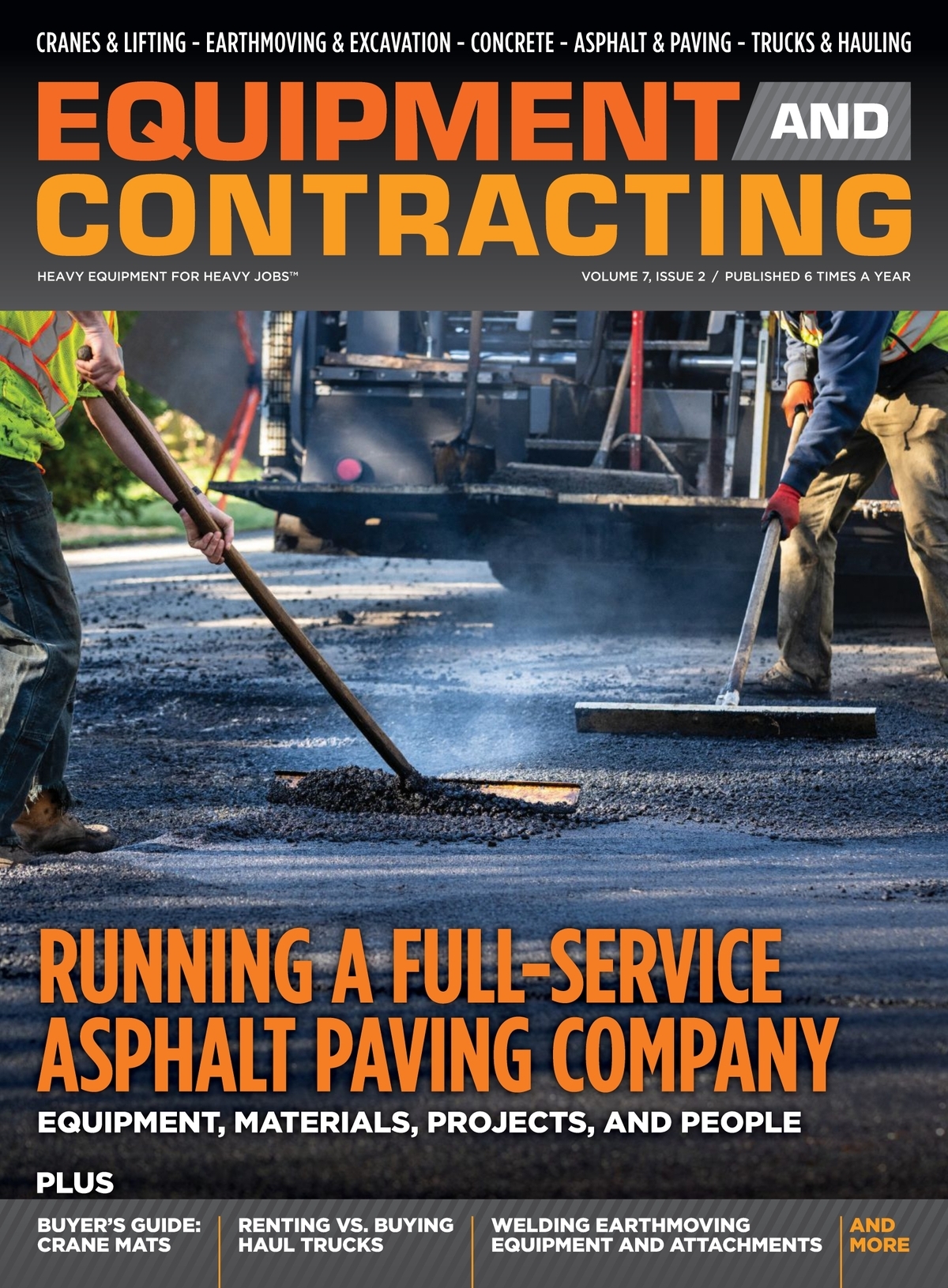
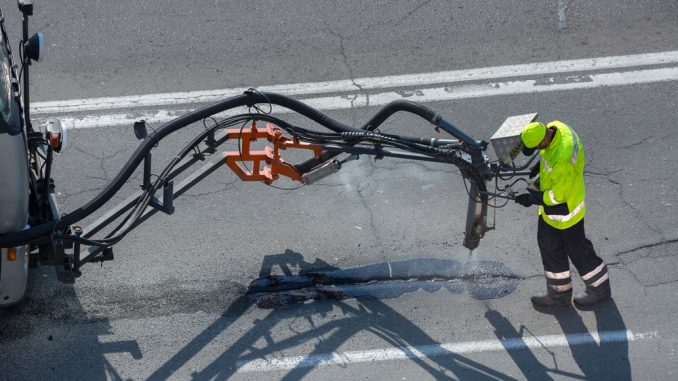
Urban streets deteriorate due to constant braking, frequent turning, and heavy traffic loads. Potholes form when moisture weakens the subsurface and repetitive traffic breaks the top layer. Standard repair procedures involve cleaning the area, applying a binding agent, and compacting the patch. Cities track road conditions using systems such as the Pavement Condition Index to identify priority locations.
Addressing Structural Failures
When deeper layers fail, surface repairs are not enough. Structural reconstruction involves removing damaged materials, improving drainage, and rebuilding the base. Compaction equipment, milling machines, and grading tools are used to prepare the foundation and achieve long term strength. Contractors select machinery that fits into tight urban spaces while meeting productivity needs.
Ensuring Quality Control and Compliance
Meeting Engineering Standards
Transportation agencies specify requirements for asphalt thickness, concrete strength, and density. These standards ensure durability and long term performance. Contractors use tools such as density gauges, smoothness tests, and core sampling to meet these requirements. When quality control is handled properly, roads last longer and maintain safer driving conditions.
Managing Environmental Requirements
Environmental rules in urban areas govern air quality, dust control, noise limits, and waste management. Many cities encourage recycling of milled asphalt to reduce environmental impacts. Good environmental practices also help maintain clean work zones and protect nearby businesses and homes.
Using Equipment Suited For Dense City Conditions
Compact and Versatile Machinery
Urban repair projects rely heavily on compact machines that can maneuver between parked cars, pedestrians, and storefronts. Skid steers, compact pavers, and mini excavators are common choices. These machines allow crews to work efficiently in spaces that full size equipment cannot reach.
Reliable Support and Rapid Service Response
Unexpected downtime can delay lane reopening and increase project costs. Contractors depend on equipment providers that offer fast service response, parts availability, and temporary replacement units when needed. This support helps crews keep tight schedules intact and reduces unnecessary disruptions.

Strengthening Long Term Durability
Improving Drainage and Water Management
Water infiltration is one of the main causes of pavement failure. Proper grading, cleared storm drains, and functioning catch basins protect surfaces from moisture damage. Contractors often include drainage improvements as part of repair plans to increase pavement lifespan.
Using Modern Materials and Technology
New asphalt binders, fiber reinforced concrete, and polymer modified mixes improve resistance to cracking and rutting. Modern paving machines use sensors and automated controls to maintain consistent material temperatures and thicknesses. These advances support durable and uniform road surfaces.
Final Preparation and Project Turnover
Documenting Work Completed
Cities require detailed documentation that includes testing records, daily logs, and inspection reports. This information verifies compliance and provides a record for future maintenance. Crews must also complete pavement markings, sweeping, and final safety checks before reopening the road.
Reopening Roads Safely
Roadways reopen only after inspectors confirm that the pavement meets safety and quality requirements. Lane markings must be visible and accurate to guide traffic. Once all checks are complete, crews remove temporary devices and restore normal traffic flow. Reliable equipment, good planning, and dependable support partners accessed through construction equipment sourcing help make this final step smooth and timely.
View the complete article here.
Night and off-peak work reduces traffic disruption and allows crews to meet strict lane closure limits safely and efficiently.
They perform required utility locates and use detection technologies like ground penetrating radar before cutting pavement. Why are urban road repair projects often scheduled at night or during off-peak hours?
How do contractors prevent utility strikes during urban road repairs?