



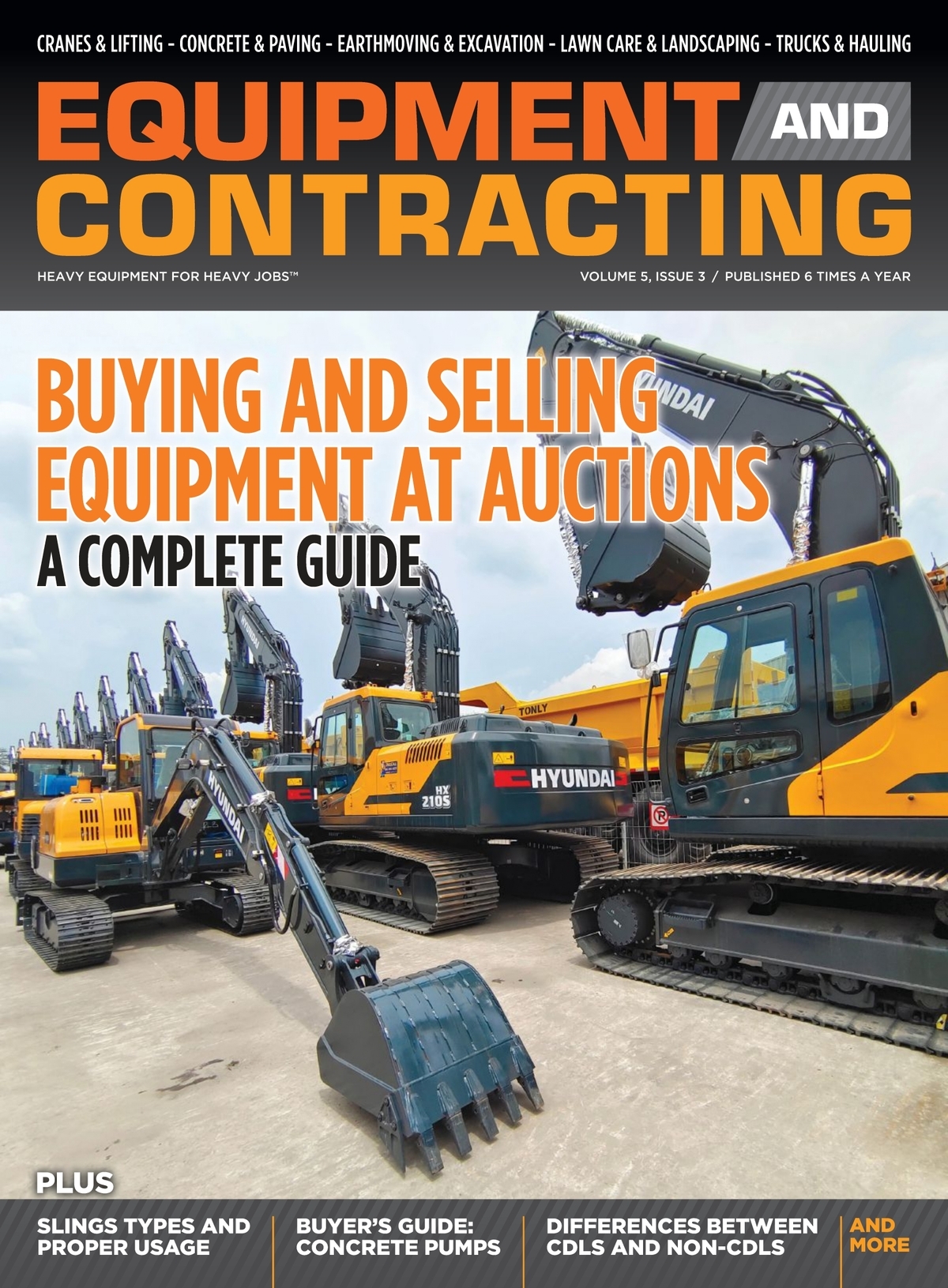





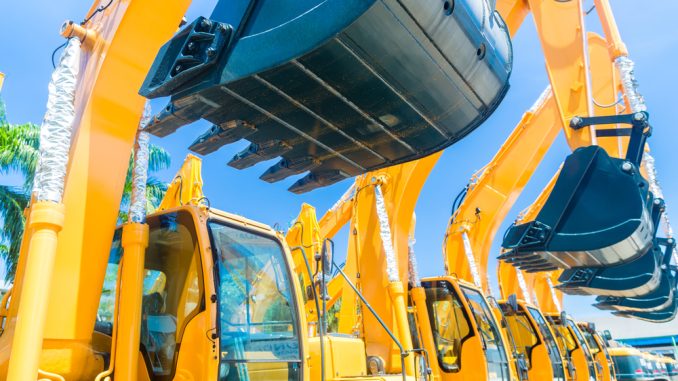
Government and bank fleet auctions have become a powerful channel for acquiring used vehicles and heavy equipment at competitive prices. These sales attract contractors, transportation companies, agricultural operations, municipalities, and small businesses that want reliable machines without dealer level pricing. What makes these auctions stand out is the large volume of well maintained equipment entering the market through structured replacement cycles. Online platforms that organize online fleet equipment listings have made it even easier for buyers to participate from anywhere.
Why Government and Bank Auctions are Growing
How Fleet Retirement Cycles Increase Supply
Most government agencies follow strict timelines for retiring trucks, pickups, heavy equipment, and specialized service units. Replacement decisions often depend on age, hours, or mileage rather than waiting for major failures. This creates a steady pipeline of equipment that was kept on routine service schedules. Banks add to this supply through lease returns and repossessions, which are liquidated quickly to recover asset value. Together, these sources create a consistent and predictable flow of used equipment for buyers.
Why Transparency Drives More Buyers
Government auctions must follow public sale requirements. This means detailed listings, open bidding, and full visibility into how each sale progresses. Buyers see real time bids and final sale prices, which helps establish market value for specific models and categories. Banks use similar transparent formats for their liquidation events, making the process straightforward for contractors who want a clear transaction without private negotiation. This structure gives buyers confidence and reduces uncertainty around pricing.
The Impact of Agency Maintenance Standards
Government fleets typically maintain detailed service logs for accountability. Scheduled inspections, repairs, and part replacements are documented to meet regulatory and operational standards. Bank leased fleets require similar records from commercial operators. These logs help buyers understand how equipment was cared for and whether it was used under predictable conditions. Clear documentation increases buyer confidence and reduces the risk of unexpected repairs after purchase.

What Buyers Evaluate in Fleet Auctions
Understanding Usage Patterns Across Agencies
Not all equipment experiences the same type of workload. Some police vehicles accumulate high idle hours. Public works trucks may run shorter routes but handle heavier loads. Utility trucks may be used seasonally or during emergency operations. Bank leased equipment may have uniform daily operating hours depending on the industry. Understanding these usage characteristics helps buyers determine which units align with their projects and long term reliability needs.
How Condition Reports Influence Bidding
Auction listings typically include condition reports, maintenance summaries, photos, and equipment descriptions. Agencies and lenders provide this information to assist buyers during inspections. Many online platforms offer extended photo sets or third party reports to help buyers check engine condition, body wear, hydraulics, or attachments before bidding. Buyers who study these details closely are better positioned to secure reliable equipment at competitive pricing.
Resale Value for Contractors
Contractors often use purchased units for specific projects and then resell them after completion. Predictable maintenance records and documented service histories help maintain resale value. Equipment purchased at lower auction prices can sometimes be resold for strong returns if the buyer maintains it properly and times the market well. This strategy has made government and bank auctions especially popular among smaller contractors who rely on maximizing equipment budgets.
How Online Auctions Expanded The Market
Wider Access for Remote Buyers
Online auctions have changed how buyers participate in equipment sales. Instead of traveling to physical yards, buyers can review listings, service reports, and photos from any location. This has increased participation from contractors across rural regions, coastal states, and international markets that previously had difficulty attending local auction events.
Regional Variations in Fleet Asset Types
Different parts of the United States retire different categories of equipment based on climate, terrain, and operational needs. Northern states retire snow equipment and winter trucks more often. Western states move through utility service trucks at a steady pace due to rural coverage demands. Southern states release equipment with lower exposure to corrosion. Buyers who understand these regional cycles can track when high quality equipment appears.
Regulations That Accelerate Equipment Turnover
Environmental standards continue to influence fleet replacement schedules. Agencies retire older diesel engines to comply with evolving emissions rules. Once replaced, these units enter the auction market even when they remain functional. This provides buyers with additional opportunities to acquire well maintained machines at lower prices.
Why Pricing Favors Auction Buyers
Comparing Auction Prices to Dealer Prices
Auction prices are often lower than retail dealer prices because neither government agencies nor banks prioritize profit margins. Their focus is asset clearance. Dealers, on the other hand, build overhead, reconditioning, and markup into their pricing. Buyers who understand equipment condition and local market demand can secure significant savings at auction.
Long Term Savings Through Documented Maintenance
Predictable maintenance histories reduce uncertainty around long term repairs. When a buyer knows how often fluids were changed, components replaced, and inspections conducted, they gain a more accurate forecast of operating costs. This stability is valuable for project planning and budgeting, especially for contractors managing multiple active jobs.
How Competitive Bidding Helps Establish Fair Market Value
Because auctions involve open bidding, the final price is determined by real buyer interest rather than preset retail expectations. This means contractors can observe bidding trends for specific makes, models, and categories over time. As a result, they develop a clear understanding of market value that helps guide future purchase decisions.
The Future of Government and Bank Fleet Auctions
More Equipment Categories Entering The Market
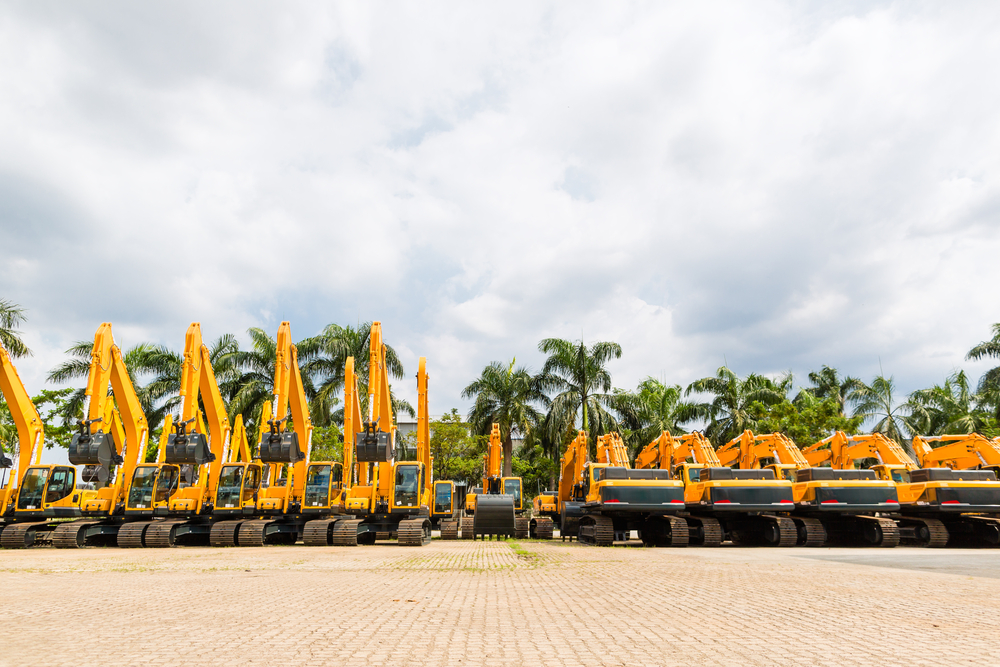
Government agencies and banks are expanding the types of assets offered at auction. Listings now include bucket trucks, backhoes, dump trucks, pickups, vans, generators, trailers, and municipal specialty units. As fleets modernize or adopt electric vehicles, more categories will enter the resale market, giving buyers a wider selection.
More Frequent Online Events
Online platforms have reduced the need for large annual surplus events. Instead, agencies are releasing equipment in smaller, more frequent auction cycles. This increases supply consistency throughout the year and helps contractors plan purchases more effectively.
Why Contractors Rely on These Auctions
Government and bank fleet auctions remain attractive because they offer transparency, reliability, and strong value. Buyers who learn how fleet cycles work, track regional supply patterns, and analyze condition reports gain an advantage over competitors. These auctions continue to evolve through digital tools, broader inventory, and larger buyer networks. Their long term value remains strong and will continue shaping how contractors source equipment. The broader construction equipment marketplace will likely see even stronger auction integration as demand grows.